
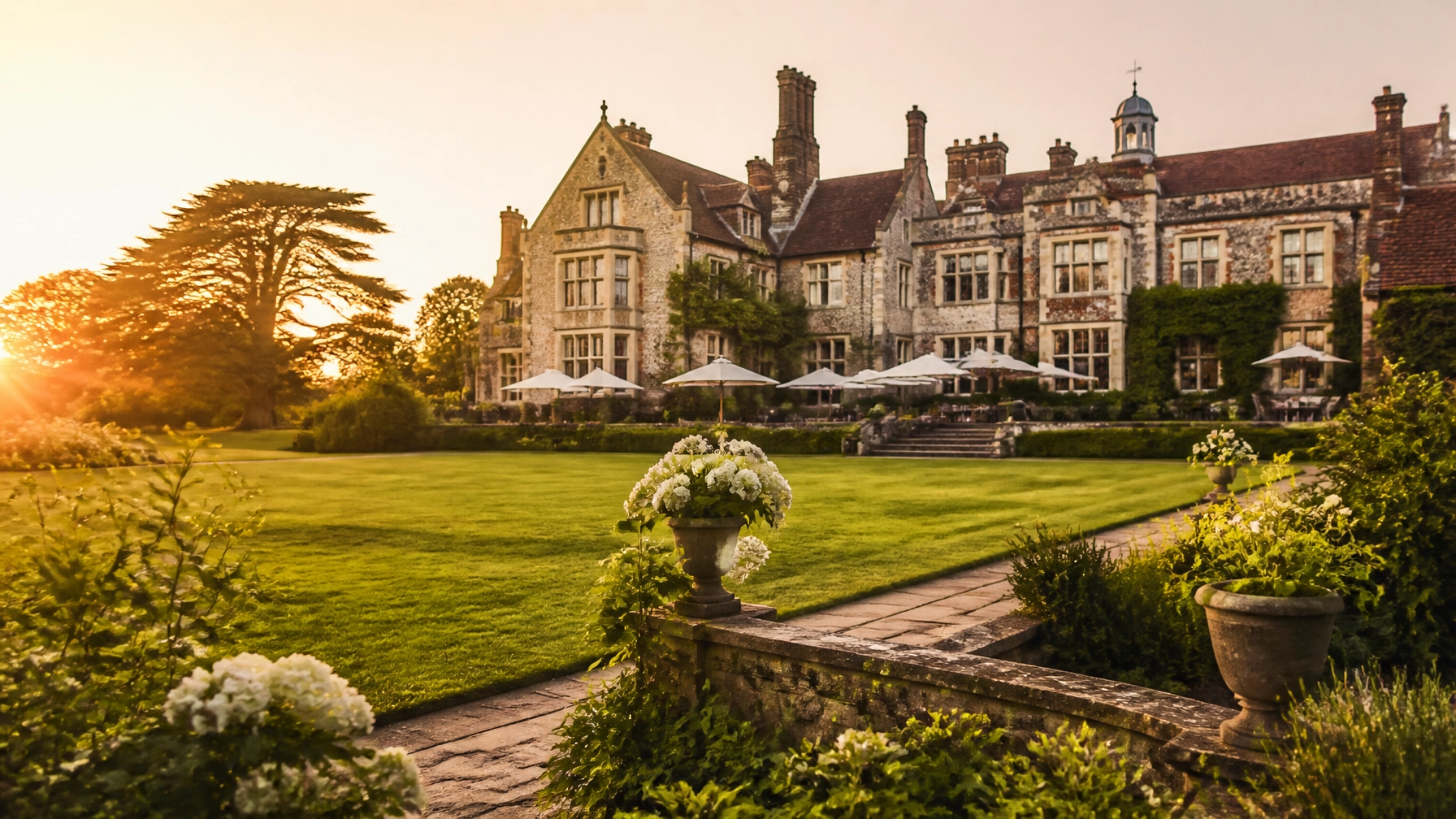
Looking For the Best Wedding Venues in Essex? 10 Things You Need to Know About Pricing Before You Enquire
Finding the perfect spot to say "I do" is one of the most exciting parts of planning your big day, especially when exploring the best wedding venues in Essex. However, understanding the true cost of a venue can often feel more complicated than it needs to be.
Before you start sending off enquiries, it is important to understand how venue pricing is structured so you can compare options fairly and stay within your budget. Here are 10 essential pricing considerations to keep in mind while you search for your dream Essex location.
1. Dry Hire vs. Full-Service Packages
When you start your search, you will quickly notice two main pricing models: "Dry Hire" and "Full-Service" or "All-Inclusive" packages. Understanding the difference is vital for your overall budget.
- Dry Hire: This typically means you are paying only for the "shell" of the venue. You will have access to the building or land, but you will need to source your own catering, bar service, and often even furniture.
- Full-Service: These venues provide almost everything in-house. A single price per head usually includes the room hire, a three-course meal, some drinks, and basic staffing.
- Consider the Trade-off: While dry hire might look cheaper initially (perhaps £3,000–£6,000 for the day), the added costs of hiring caterers and equipment can quickly exceed an all-inclusive package price.
Think about how much time you want to spend managing different suppliers. For more guidance on choosing your style, check out The Complete Guide to Finding Your Perfect Wedding Venue in Essex.
2. Seasonal Shifts and Mid-Week Savings
The date you choose will have the single biggest impact on the price you pay. The best wedding venues in Essex are in high demand, and their pricing reflects that popularity.
- Peak Season: Typically May through September, and the month of December. Expect to pay the highest rates for Saturdays during these months.
- Off-Peak: Many venues offer significant discounts for weddings in January, February, and November.
- Mid-Week Advantage: Choosing a Monday, Tuesday, or Wednesday can sometimes save you thousands of pounds compared to a Saturday booking.
- Sunday Weddings: These often sit in the middle of the pricing scale and are a popular compromise for couples wanting a weekend feel at a lower price point.
Factor in the cost of your date carefully, as moving your wedding by just a few days could free up a substantial portion of your budget for other services like photography, flowers, or a fantastic wedding dj.

3. The "Hidden" VAT Factor
In the UK, Value Added Tax (VAT) is currently 20%, and it can be a major "hidden" cost if it is not clearly stated in your initial quote.
- Inclusive vs. Exclusive: Always check if the prices you see on a brochure include VAT. A venue hire fee of £5,000 looks very different if you have to add £1,000 of tax on top.
- Corporate vs. Wedding Quotes: Some venues that also host corporate events may default to quoting prices excluding VAT.
- Confirm in Writing: Before signing any contract, ensure the final total reflects the "VAT inclusive" price so there are no surprises when the final bill arrives.
Maintaining transparency with your venue manager from the start is the best way to avoid budget-busting surprises later on.
4. Minimum Spend and Guest Quotas
Many of the best wedding venues in Essex operate on a minimum spend basis, particularly for high-demand dates like summer Saturdays.
- The Headcount Hurdle: A venue might require a minimum of 80 adult guests for a Saturday wedding. If you only have 60 guests, you may still be required to pay for the "missing" 20 meals.
- Food and Beverage Minimums: Instead of guest numbers, some venues set a total spend requirement for catering and drinks.
- Flexibility: If you are planning a smaller, intimate wedding, you may find that venues are more flexible with these minimums for mid-week or off-peak dates.
Think about your guest list before falling in love with a venue that requires a much larger crowd than you intend to invite. To see a variety of options, browse our list of wedding venues in Essex.
5. Ceremony Fees and Room Hire
It is a common misconception that the venue hire fee covers every part of the day. In reality, the legal ceremony often incurs its own set of costs.
- Civil Ceremony Hire: Even if you are having your reception at the venue, they often charge an additional "ceremony room hire" fee, which can range from £400 to over £1,000.
- Registrar Fees: This is a separate payment made directly to Essex County Council. You can find more information on the official Essex County Council weddings page.
- Turnaround Fees: Some venues charge for the staff time required to flip a room from a ceremony setup to a dining setup.
Factor in the cost of these additional room uses when comparing the headline prices of different locations.

6. Corkage Charges and Bar Structures
Alcohol and drinks packages are often where venue costs can escalate quickly. Understanding the "corkage" system is essential if you plan to provide your own drinks.
- What is Corkage? If a venue allows you to bring your own wine or champagne, they will likely charge a "corkage fee" per bottle to cover the cost of service, glassware, and chilling.
- Flat Fees vs. Per Bottle: Some venues charge a flat fee for the whole day, while others charge per bottle opened.
- No-Corkage Venues: These are rare but highly sought after. They allow you to bring your own drinks with no additional service fee.
- Evening Bar Spend: Check if there is a minimum spend required for the evening bar to stay open.
Consider whether a venue's standard drinks package offers better value than buying your own and paying the corkage fees. For more budget tips, see our Ultimate Wedding Costs Checklist.
7. Service Charges and Gratuity
Much like a restaurant, many wedding venues add a mandatory service charge to the food and drink portion of your bill.
- The Percentage: This is typically between 10% and 12.5% in the South East. On a £10,000 catering bill, this adds an extra £1,000 or £1,250.
- Mandatory vs. Optional: Check your contract to see if this is a mandatory charge or a suggested gratuity.
- Total Transparency: Ask the venue to provide a "mock" quote that includes the service charge so you can see the real per-head cost.
It is easy to overlook this percentage, but it represents a significant portion of your venue spend.
8. Rentals: Linens, Glassware, and Chairs
If you are looking at more rustic or unique locations, you may find that the basic hire price does not include everything you see in the brochure.
- Furniture Hire: Some "blank canvas" venues, like certain barns or outdoor spaces, require you to hire your own tables and chairs.
- Table Settings: Don't assume that white linen, cutlery, and glassware are included. These can sometimes be an additional "package" cost.
- Upgraded Decor: Many venues show photos with "Chivari" chairs or silk runners, but the standard price might only include basic banquet chairs and plain linens.
If you are interested in more unconventional spaces, explore our guide on Unique Essex Wedding Venues to Explore.

9. Staffing, Security, and Overtime
The cost of the people making your day run smoothly is often separated from the hire of the building itself.
- Late License Fees: If you want the party to continue past midnight, many venues charge an "overtime" or "late license" fee per hour.
- Security Staff: Some venues require professional security for evening receptions, especially those with a high guest count or public access.
- Cloakroom and Bar Staff: Ensure the quote includes enough staff to prevent long queues at the bar or entrance.
Ask specifically what time the "standard" hire ends and what the hourly rate is for any extensions.
10. Deposits and Payment Schedules
Finally, how you pay for the venue is just as important as how much you pay. Essex wedding venues often have strict payment schedules.
- Booking Deposit: Usually a non-refundable payment (often £1,000–£2,000) required to secure your date.
- Staged Payments: Most venues require a second payment six months before the wedding and the final balance 4–8 weeks before the big day.
- Damage Deposits: You may be asked for a refundable "damage bond" to cover any accidental breakages during the event.
- Wedding Insurance: Many venues now make it a condition of the contract that you have public liability insurance. You can find out more about this via resources like Which? Wedding Insurance Guide.
Think about your cash flow throughout the planning process to ensure you can meet these payment milestones comfortably.

Summary
Planning your budget for one of the best wedding venues in Essex requires a keen eye for detail and a willingness to ask the "uncomfortable" questions early on. By factoring in VAT, service charges, and potential hidden rentals, you can ensure that your final choice is both beautiful and financially realistic.
Remember to:
- Always ask for "VAT inclusive" pricing.
- Compare the total cost of dry hire versus all-inclusive packages.
- Check for minimum guest requirements on your preferred date.
You are making great progress in your wedding planning journey. Armed with these tips, you can now enquire with confidence and find the perfect setting for your Essex celebration.
